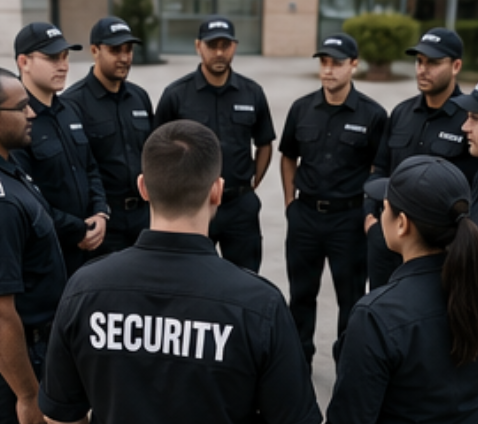
Why High-Performing Security Teams Matter
Every successful security company depends on one critical asset—its people. While technology continues to transform the security industry, guards remain the first line of defense for protecting people, property, and assets. Their professionalism, reliability, and ability to respond effectively directly influence client satisfaction and long-term business success.
However, building a high-performing security team requires much more than hiring qualified guards. Managers must establish clear expectations, provide continuous training, ensure consistent communication, and equip teams with modern tools that simplify daily operations.
Many operational challenges—such as missed patrols, inconsistent reporting, scheduling conflicts, and communication delays—are not caused by employees alone. More often, they result from outdated processes, manual workflows, and a lack of operational visibility.
Organizations that invest in structured management practices and modern security technology consistently experience improved patrol completion, faster incident response, higher employee engagement, and stronger client retention.
In this guide, we'll explore the best practices every security company can implement to build reliable, accountable, and efficient security teams.
What Makes an Effective Security Team?
Successful security teams share several common characteristics regardless of their size or the industries they serve.
They understand their responsibilities, communicate effectively, follow standardized procedures, and have access to the information they need to perform their duties confidently.
High-performing security teams typically demonstrate:
- Clear accountability
- Strong communication
- Consistent patrol execution
- Accurate incident documentation
- Reliable attendance
- Continuous professional development
- Positive leadership
- Technology adoption
- Client-focused service
Rather than relying solely on supervision, successful organizations build systems that enable guards to succeed while providing managers with real-time operational visibility.
Define Clear Roles and Responsibilities
One of the most common reasons for operational inconsistency is unclear expectations.
Every member of a security team should understand:
- Their assigned location
- Shift responsibilities
- Patrol schedules
- Emergency procedures
- Reporting requirements
- Escalation protocols
- Client expectations
Providing detailed post orders and standard operating procedures (SOPs) helps eliminate confusion and ensures every guard performs tasks consistently across all sites.
When expectations are documented and easily accessible through a mobile application, guards spend less time asking questions and more time focusing on protecting the client.
Standardize Operating Procedures
Standardized procedures improve consistency across every contract and location.
Effective SOPs should cover:
- Shift check-in and check-out
- Patrol routes
- Checkpoint verification
- Visitor interactions
- Incident reporting
- Emergency response
- Equipment inspections
- Communication protocols
Organizations that standardize workflows reduce human error while making onboarding new employees significantly easier.
Digital SOPs also ensure that every guard has immediate access to the latest procedures, regardless of where they are working.
Improve Team Communication
Communication is one of the biggest factors influencing operational success.
Traditional methods such as phone calls, paper notes, and text messages often lead to missed information and inconsistent reporting.
Modern security teams benefit from centralized communication platforms that provide:
- Real-time notifications
- Shift updates
- Patrol assignments
- Emergency alerts
- Operational announcements
- Incident notifications
When supervisors and guards share the same information in real time, decisions can be made faster, reducing delays during critical situations.
Invest in Ongoing Training
The security industry is constantly evolving. New regulations, emerging technologies, and changing client expectations require continuous learning.
Training should extend beyond initial certification and include regular refreshers on topics such as:
- Customer service
- Conflict resolution
- Emergency response
- Patrol techniques
- Incident documentation
- Mobile technology
- Compliance requirements
- Workplace safety
Organizations that prioritize professional development typically experience lower turnover, higher employee confidence, and better operational performance.
Build Accountability Through Technology
Accountability should not depend solely on supervision.
Modern security management platforms provide digital tools that automatically verify operational activity through:
- GPS tracking
- QR checkpoint scanning
- Timestamp verification
- Digital patrol logs
- Incident reporting
- Audit logs
These technologies create objective records of completed work while protecting both guards and supervisors from misunderstandings.
Digital accountability also helps build trust with clients by providing transparent documentation of every patrol and incident.
Optimize Scheduling and Workforce Planning
Poor scheduling creates unnecessary overtime, employee fatigue, and higher turnover.
Effective workforce planning involves balancing operational requirements with employee availability, qualifications, and workload.
Best practices include:
- Publishing schedules in advance
- Using recurring shifts where appropriate
- Minimizing last-minute schedule changes
- Monitoring overtime
- Tracking attendance trends
- Quickly filling open shifts
Digital scheduling systems significantly reduce administrative work while improving workforce satisfaction.
Measure Performance with KPIs
Successful security companies rely on measurable data rather than assumptions.
Common guard performance metrics include:
- Patrol completion rate
- On-time attendance
- Incident response time
- Missed checkpoints
- Report accuracy
- Client feedback
- Overtime utilization
- Training completion
- Compliance score
Tracking these metrics allows managers to recognize high performers, identify coaching opportunities, and continuously improve operational efficiency.
Strengthen Client Communication
Clients expect transparency.
Providing regular updates through digital reports and dashboards demonstrates professionalism while strengthening trust.
Security companies should provide clients with:
- Patrol summaries
- Incident reports
- Activity logs
- Performance metrics
- Compliance documentation
- Monthly operational reports
Automated reporting saves time while improving the client experience.
Foster a Positive Team Culture
Technology alone cannot build a successful security team.
Organizations should also create an environment where employees feel supported, respected, and recognized for their contributions.
Simple initiatives such as performance recognition, career development opportunities, regular feedback sessions, and open communication significantly improve morale and employee retention.
Strong workplace culture often becomes a competitive advantage in an industry facing ongoing staffing challenges.
Embrace Technology for Better Operations
The most successful security companies are embracing digital transformation.
Cloud-based security management software helps organizations automate routine tasks while improving operational visibility.
Modern platforms provide:
- Mobile workforce management
- Digital patrol tracking
- GPS verification
- Incident reporting
- Automated scheduling
- Client portals
- Operational dashboards
- Compliance reporting
Technology allows managers to spend less time on administrative work and more time improving service quality.
Common Mistakes Security Companies Should Avoid
Even experienced organizations can encounter operational challenges if they rely on outdated processes or inconsistent management practices.
Some of the most common mistakes include:
- Using paper patrol logs instead of digital reporting
- Failing to provide regular employee training
- Poor communication between guards and supervisors
- Last-minute scheduling changes
- Inconsistent incident documentation
- Lack of measurable performance indicators
- Limited operational visibility
- Delayed client reporting
Recognizing these issues early allows organizations to improve efficiency before they affect client satisfaction or employee retention.
How OPSY Helps Security Teams Succeed
OPSY is designed to help modern security companies build more efficient, accountable, and connected security teams.
With OPSY, organizations can:
- Schedule shifts in minutes
- Monitor guards in real time
- Verify patrol completion using GPS and QR checkpoints
- Create digital incident reports with photos and timestamps
- Measure guard performance through operational KPIs
- Generate professional PDF and Excel reports
- Support field personnel with a mobile application and offline mode
- Improve client communication through transparent reporting
- Manage multiple locations from a centralized cloud platform
By combining workforce management, patrol tracking, reporting, and analytics in a single platform, OPSY enables security companies to deliver higher-quality services while reducing administrative workload.
Conclusion
Building a high-performing security team requires a combination of strong leadership, standardized processes, continuous training, and modern technology. Organizations that invest in clear communication, measurable performance, and digital workflows are better positioned to improve accountability, increase client satisfaction, and grow their business sustainably.
As the security industry continues to evolve, companies that embrace innovation will have a significant competitive advantage. Whether managing a small local team or a nationwide workforce, implementing these best practices will help create safer operations, more engaged employees, and stronger client relationships.
Frequently Asked Questions
What makes a successful security team?
Successful security teams combine well-trained personnel, clear procedures, effective communication, measurable performance metrics, and modern security technology.
Why is accountability important for security guards?
Accountability ensures guards complete assigned duties, follow patrol schedules, document incidents accurately, and maintain client trust.
How can technology improve security team performance?
Cloud-based security management software provides real-time visibility, digital patrol tracking, automated reporting, GPS verification, and workforce analytics that improve operational efficiency.
What KPIs should security managers monitor?
Common KPIs include patrol completion rates, attendance, response times, incident reporting quality, client satisfaction, compliance scores, and training completion.
How does OPSY support security teams?
OPSY helps organizations manage guards, schedules, patrols, incidents, reporting, and operational analytics through a centralized cloud platform with mobile support and White Label capabilities.